Are you trying to figure out how to illuminate your property line at night without blinding your neighbors or turning your backyard into a harsh, over-lit commercial parking lot? Wondering how to replace those cheap, unreliable plastic solar caps that die after an hour with a premium, hardwired architectural low-voltage system that radiates a warm, welcoming glow year-round? In this expert landscape lighting guide, we will explore the visual, structural, and electrical impact of Low-Voltage LED Post Cap Lights to Illuminate Boundary Fences. We will break down how color temperature matching, advanced circuit wiring, and weather-sealed fixture alloys work together to transform a basic security fence into an elegant, high-fashion nighttime masterpiece.
Architectural Styles & Light-Emission Geometries
The physical shape and light output of a post cap completely alters the evening mood of your yard. Choosing the right emission profile allows you to direct light exactly where it is needed while keeping the source elegantly contained.
Idea #1 The Hidden downward-facing Lip Grazer (Low-Profile Cap)
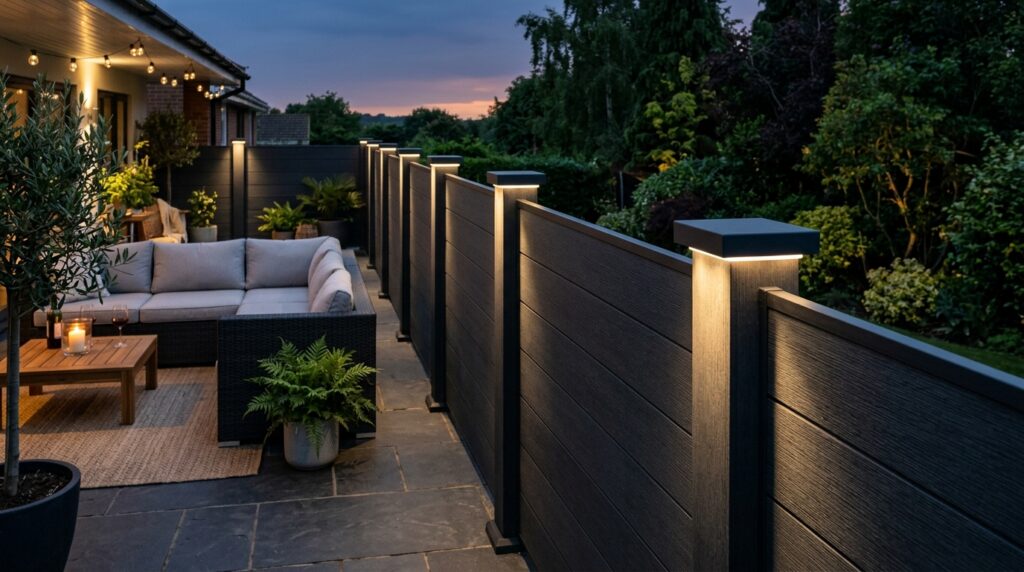
- My Opinion: Personally, I believe the downward lip grazer is the absolute gold standard for modern residential design. It eliminates the glaring “light bulb in your eyes” effect entirely, keeping the fixture profile completely clean and unnoticeable during the day, while casting a gorgeous, rhythmic pattern of downward light pools at dusk.
- What I would add here: A 2700K ultra-warm color temperature LED module to perfectly mimic the cozy, inviting glow of natural candlelight along your patio perimeter.
Idea #2 The Four-Way Translucent Architectural Louvre Cap
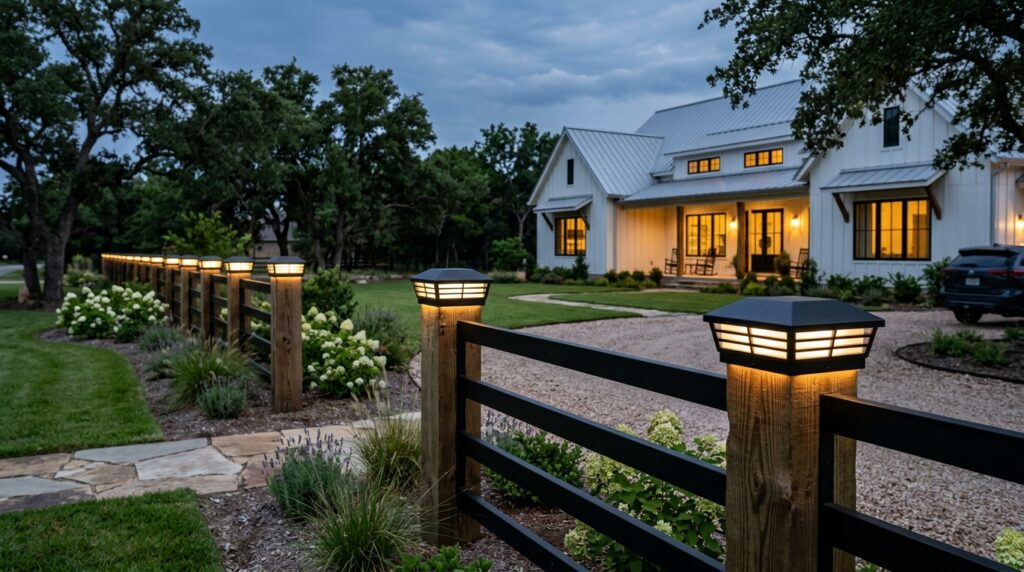
- From my perspective: If you want to illuminate both your internal garden pathways and your external public sidewalk simultaneously, a four-way louvre cap is an exceptional architectural choice. The frosted glass panels diffuse the light beautifully, breaking up harsh glare into soft, manageable geometric accent lines.
- What I would add here: A textured, marine-grade powder-coated finish on the aluminum cap to prevent salt-air corrosion or peeling paint over decades of intense sun exposure.
Idea #3 The Pyramid Top-Cap Accent with Frosted Perimeter Ribbons
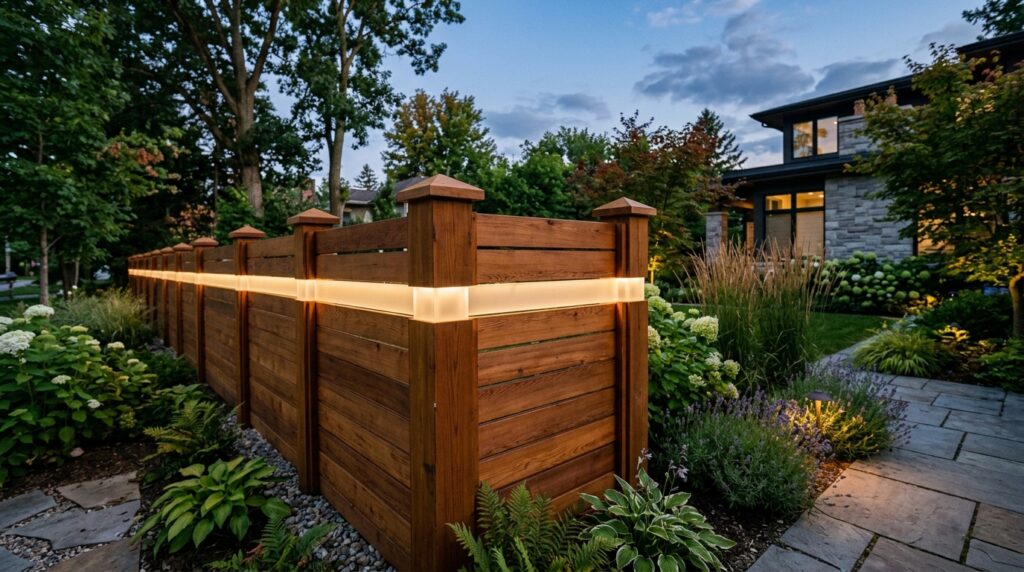
- In my experience: This is a brilliant way to bridge traditional woodworking with high-tech lighting. The glowing ribbon profile maintains the classic silhouette of a traditional pyramid post cap during the day, but transforms into a striking, floating neon-like accent ring the moment twilight arrives.
- What I would add here: A hidden internal silicone rubber weather gasket inside the cap assembly to prevent creeping rainwater from short-circuiting the underlying LED driver board.
Low-Voltage Electrical Infrastructure & Circuit Engineering
The true backbone of a flawless perimeter lighting system is the hidden electrical network. Precise wire gauge calculations and smart transformer tapping guarantee your lights burn with perfect, balanced brightness from the first post to the last.
Idea #4 Multi-Tap Transformer Distance Balancing
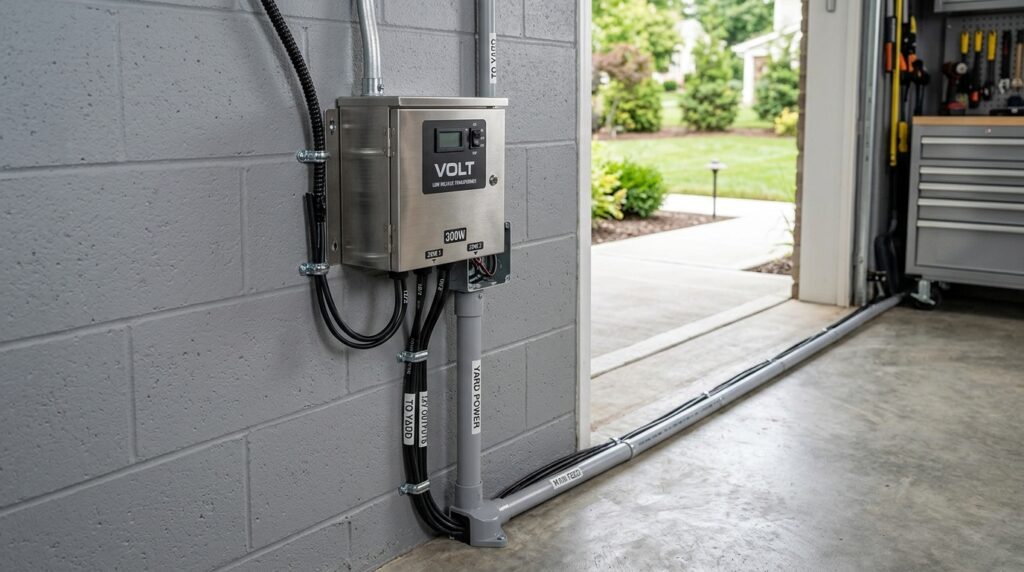
- My Opinion: In my opinion, running a long 150-foot wire line out to a distant boundary fence on a basic 12-volt circuit is a recipe for disaster. The lights at the end of the line will look noticeably dim and yellow due to voltage drop; utilizing a premium multi-tap transformer allows you to plug your long runs into the 13V, 14V, or 15V terminals to ensure every cap burns at the exact same crisp brightness level.
- What I would add here: An integrated smart astronomical digital timer clock inside the transformer that tracks your local sunset automatically, adjusting daily runtime schedules without requiring seasonal manual overrides.
Idea #5 The Continuous Closed-Loop Homogeneous Circuit
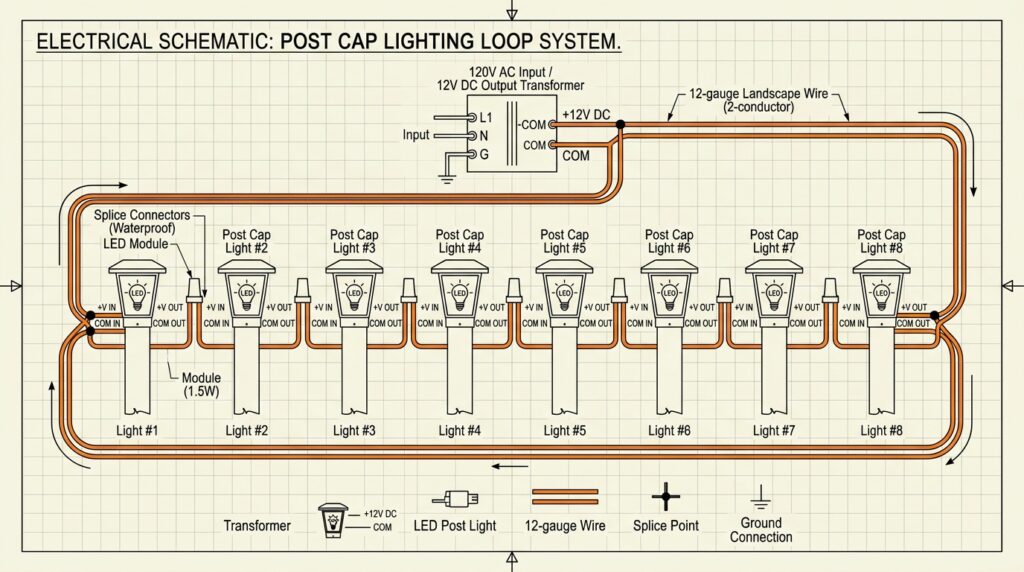
- From my perspective: Shifting your wiring architecture from a standard “daisy chain” line to a continuous closed-loop circuit is a masterstroke engineering layout. By delivering electrical currents from both directions simultaneously, you completely eliminate the cumulative internal wire resistance, ensuring total voltage consistency across massive property runs.
- What I would add here: Waterproof, gel-filled outdoor wire nut splices inside every single post connection chamber to completely shield the bare copper joints from moisture oxification.
Idea #6 Subterranean PVC Conduit Run Protection Loops

- Personally, I find that: Burying raw, unprotected low-voltage wire directly in your garden soil is a massive mistake. Edging tools, shovels, and hungry rodents will eventually cut through the soft plastic jacket over time; housing your primary electrical trunk lines inside rigid PVC conduits guarantees absolute lifetime protection for your network.
- What I would add here: A 6-inch layer of clean masonry sand packed directly over the subterranean conduit line to act as a soft protective cushion against heavy soil compaction.
High-Contrast Material Finishes & Pillar Architecture
Matching your post cap fixtures to contrasting fence materials creates an incredibly intentional, designer look. The right metallic alloy can anchor a light-toned wood or make a dark composite panel pop with architectural flair.
Idea #7 Solid Brushed Copper Caps on Weathered Cedar Lines
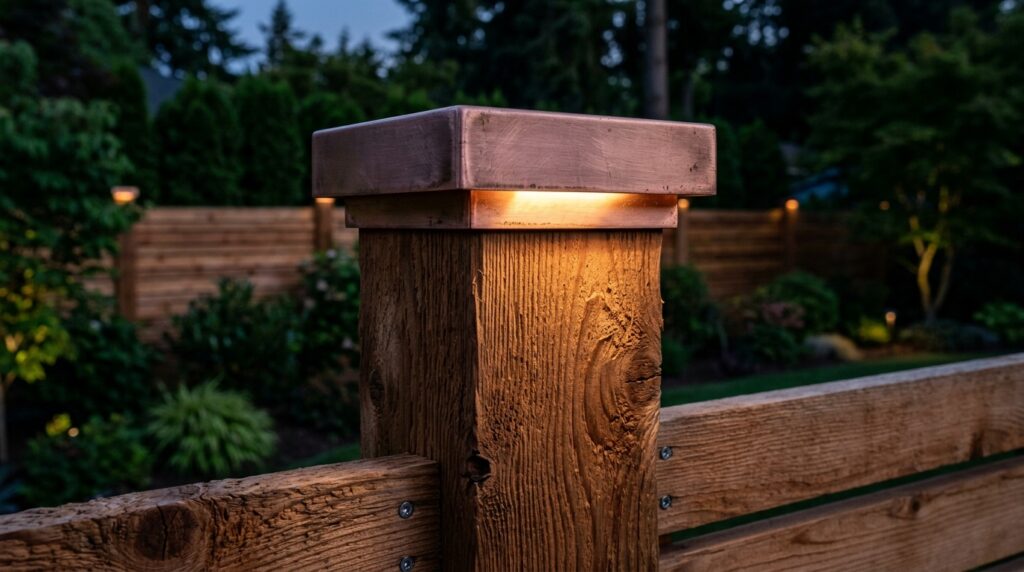
- My Opinion: Personally, I love the pairing of raw copper with natural cedar wood grains. It delivers an incredibly luxurious, organic resort-style aesthetic that evolves over time—as the elements hit the raw copper, it will slowly develop a stunning, velvety green verdigris patina that looks beautifully antique.
- What I would add here: A shallow drip-notch channel routed along the underside edge of the copper cap to forcefully throw rainwater away from the wood face, preventing black water-stain streaks on the timber.
Idea #8 Matte-Black Powder-Coated Cast Aluminum on Bright White Vinyl
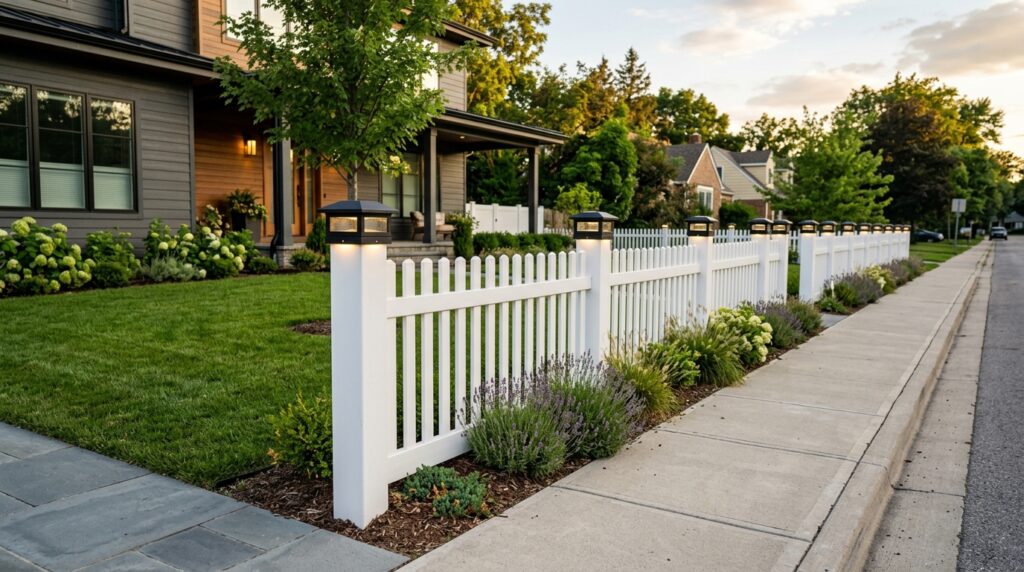
- From my perspective: A plain white vinyl cap can quickly look cheap and commercial. Crowning white vinyl posts with heavy, sharp-edged black aluminum cap lights introduces a gorgeous, high-contrast monochrome graphic line that instantly elevates your home’s front curb appeal.
- What I would add here: Selecting a high-impact, UV-stabilized die-cast alloy to ensure the black metal cap doesn’t absorb excessive heat and warp the vinyl post sleeve during intense mid-summer heatwaves.
Idea #9 Satin Silver Anodized Caps on Monochromatic Slate Composite
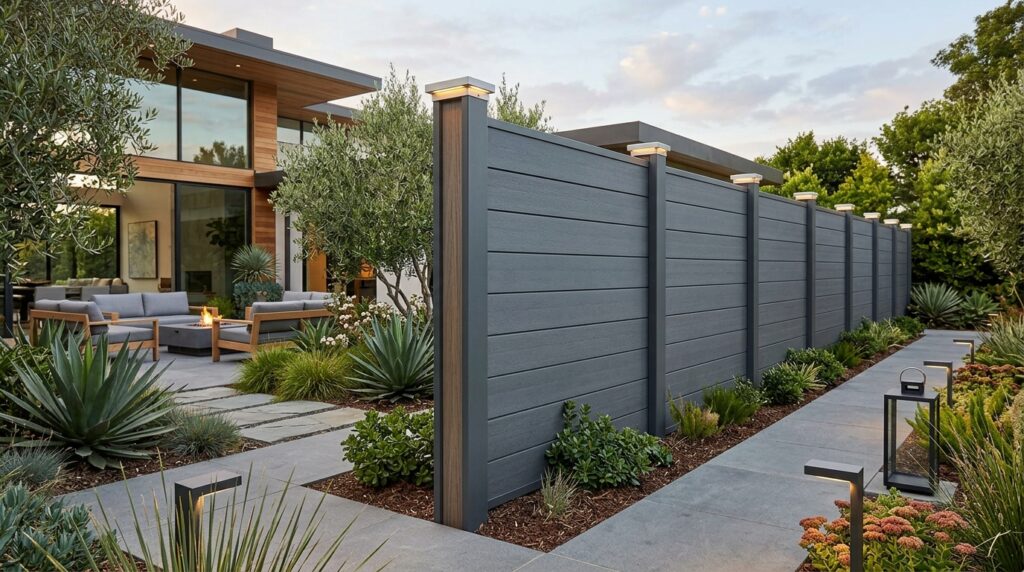
- In my experience: If your home features clean, ultra-modern international or industrial architecture, an anodized satin silver cap looks incredibly sharp and buttoned-up. It reflects daytime ambient light subtly and pairs beautifully with dark grey panels to deliver an upscale, architectural gallery vibe.
- What I would add here: A clear anti-fingerprint polyurethane hard-coat sealer over the silver anodized finish to prevent natural hand oils or rain minerals from etching the metal surface.
Advanced Smart Controls & Defensive Security Networks
Modern post cap illumination shouldn’t just be beautiful—it should work seamlessly behind the scenes as a smart, highly responsive extension of your home’s security perimeter.
Idea #10 Smart Mesh Bluetooth Dimmable Zoning Matrix
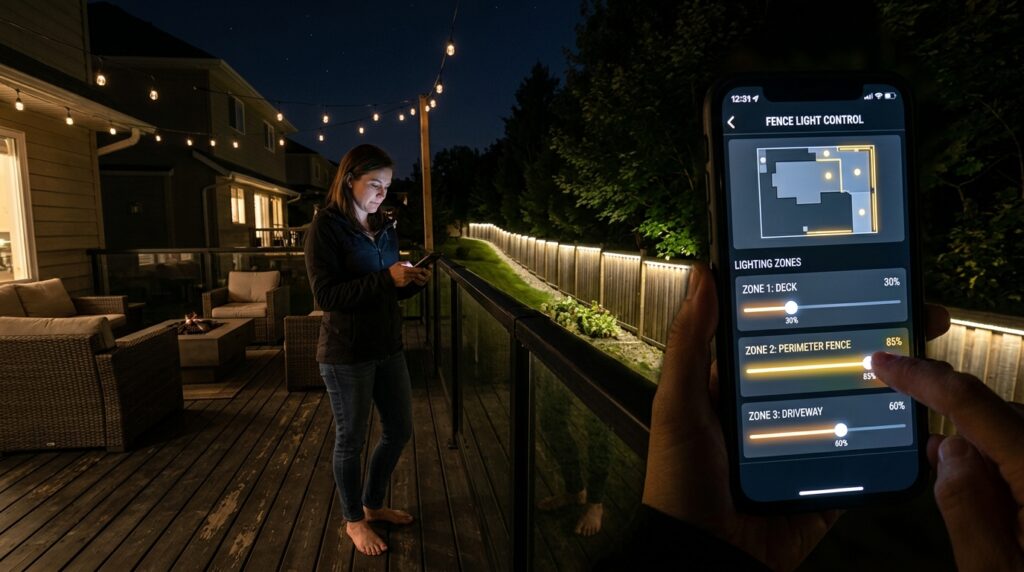
- In my opinion: Having your fence lights burning at full, blinding 100% brightness all through the night can feel overly intense when you are just trying to enjoy a quiet glass of wine on the patio. Linking your low-voltage cap lights into a smart Bluetooth mesh network allows you to group them into zones—dimming the backyard relaxation zone down to a soft, romantic 20% accent light while keeping the driveway perimeter crisp and bright at 80% power.
- What I would add here: A smart outdoor wireless motion-sensor puck tucked into a nearby tree canopy to instantly trigger the boundary lights up to full power the moment unexpected motion is detected near your property line.
Idea #11 Integrated Low-Voltage Photocell Lux Triggers
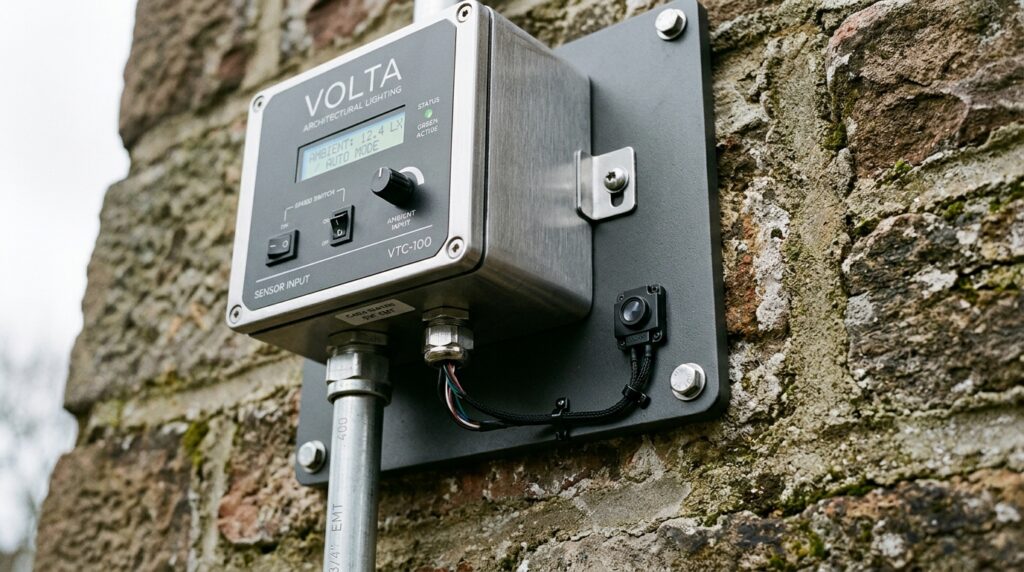
- From my perspective: Fumbling to manually flip outdoor light switches or relying on old-school mechanical dial timers that fall out of sync every time your area experiences a minor power flicker is highly inconvenient. Installing a high-sensitivity photocell sensor ensures your boundary lights activate automatically the precise minute local ambient daylight drops, keeping your home safely illuminated without wasting electricity.
- What I would add here: A 60-second time-delay buffer circuit inside the sensor controller to completely prevent your fence lights from accidentally flashing off if a passing car’s bright headlights sweep across the detector cell at night.